
Views: 0 Author: Site Editor Publish Time: 2026-08-20 Origin: Site


Lowbed trailer vs flatbed trailer: discover the key differences in design, dimensions, load capacity, applications, and transportation advantages. Learn how to choose the right trailer for heavy equipment, containers, machinery, and oversized cargo from Hunan Chengxin Special Vehicle Co., Ltd.
When purchasing a semi trailer for heavy transportation, many buyers often ask:
What is the difference between a lowbed trailer and a flatbed trailer?
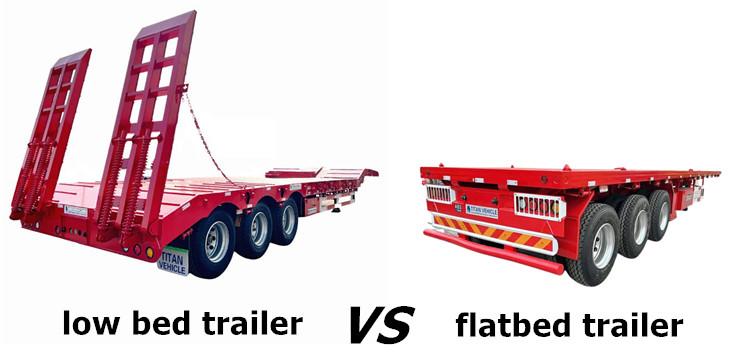
Although both trailers have an open platform design, they are designed for completely different transportation purposes.
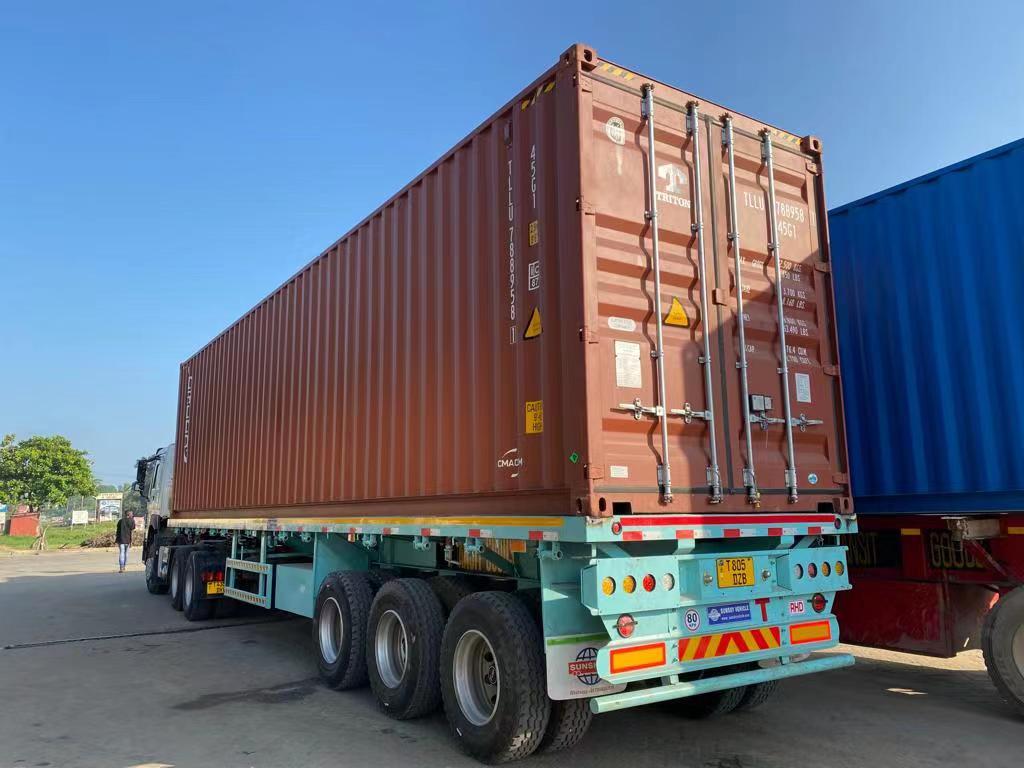
A flatbed semi trailer is a versatile cargo transportation solution mainly used for containers, steel products, construction materials, and general freight.
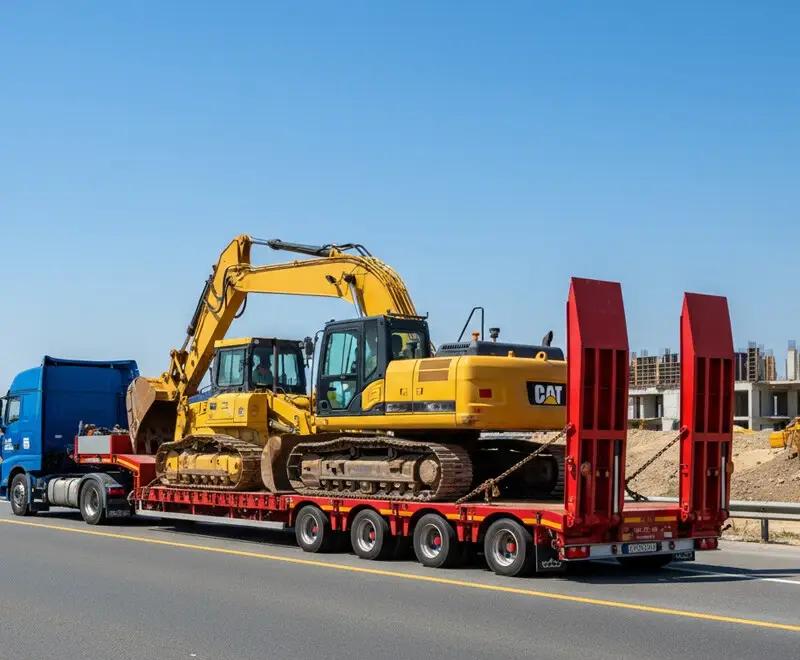
A lowbed semi trailer is specially designed for transporting heavy and oversized equipment such as excavators, bulldozers, mining machinery, and industrial equipment.
The biggest difference is not only the trailer appearance, but also:
Deck height
Cargo type
Load capacity
Loading method
Center of gravity
Transportation purpose
Choosing the correct trailer can improve transportation efficiency, reduce operating costs, and avoid problems caused by incorrect trailer selection.
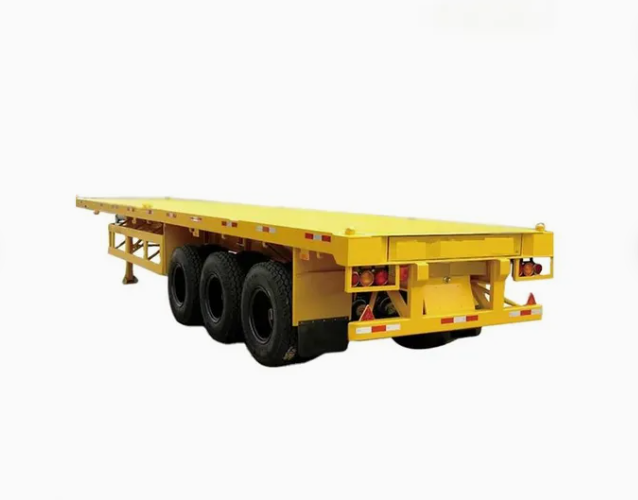
A flatbed semi trailer is an open-deck trailer with a flat loading platform and no fixed roof or enclosed body.
Its simple structure allows cargo to be loaded and unloaded from multiple directions using:
Forklifts
Cranes
Ramps
Other lifting equipment
Flatbed trailers are widely used in logistics and freight transportation because of their flexibility.
20ft / 40ft containers
Steel pipes
Steel coils
Timber
Building materials
Machinery parts
Agricultural equipment
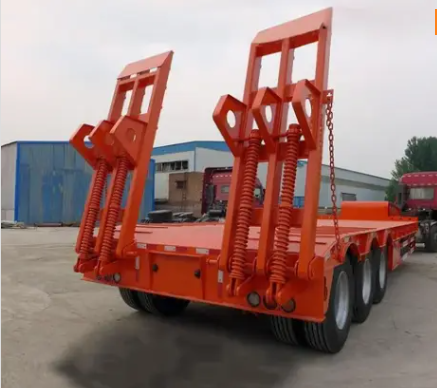
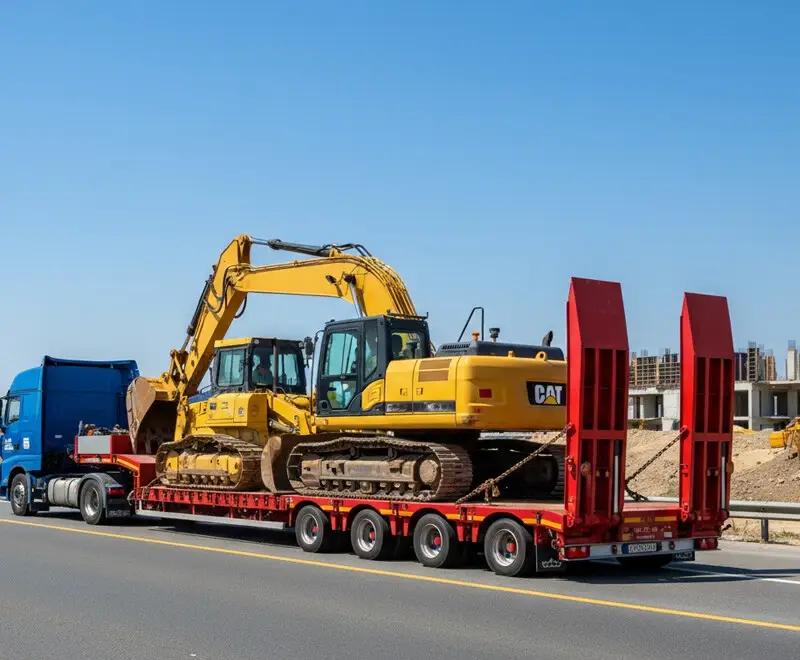
A lowbed semi trailer is a heavy-duty trailer with a lower loading platform designed for transporting oversized and overweight cargo.
The low deck design provides two major advantages:
Lower overall transport height
Better stability due to a lower center of gravity
Lowbed trailers are commonly used for:
Excavators
Bulldozers
Wheel loaders
Cranes
Mining machinery
Large industrial equipment
The low platform helps transport tall equipment while reducing the risk of exceeding road height limitations.
| Comparison Item | Lowbed Trailer | Flatbed Trailer |
|---|---|---|
| Main Purpose | Heavy equipment transport | General cargo transport |
| Deck Height | Low platform | Standard platform |
| Cargo Type | Excavators, mining equipment | Containers, steel, materials |
| Loading Method | Ramps, detachable gooseneck, crane | Crane, forklift, side loading |
| Center of Gravity | Lower | Higher |
| Heavy Machinery | Excellent | Limited |
| Container Transport | Limited | Excellent |
| Flexibility | Specialized | Very versatile |
| Typical Users | Construction & mining companies | Logistics companies |
A flatbed trailer has:
Straight frame
Flat cargo platform
Open loading area
Standard deck height
Advantages:
✔ Simple structure
✔ Easy maintenance
✔ Flexible cargo loading
✔ Suitable for various goods
A lowbed trailer usually features:
Lower cargo deck
Drop center platform
Reinforced chassis
Heavy-duty suspension
Loading ramps
Some models also include:
Hydraulic detachable gooseneck
Extendable platform
Multi-axle design
Advantages:
✔ Lower loading height
✔ Higher stability
✔ Suitable for oversized equipment
Deck height is one of the biggest differences between the two trailers.
| Trailer Type | Typical Deck Height |
|---|---|
| Flatbed Trailer | Approx. 1.2–1.6 m |
| Lowbed Trailer | Approx. 0.4–1.2 m |
A lower deck allows lowbed trailers to carry taller machinery while keeping the total vehicle height within acceptable limits.
Flatbed trailers are suitable for:
| Industry | Cargo |
|---|---|
| Logistics | Containers |
| Construction | Steel materials |
| Manufacturing | Industrial products |
| Agriculture | Farm equipment |
| Trading | General cargo |
Lowbed trailers are preferred for:
| Industry | Cargo |
|---|---|
| Construction | Excavators |
| Mining | Mining machines |
| Infrastructure | Large equipment |
| Energy | Heavy components |
| Industrial Projects | Oversized machinery |
Both trailer types can have different capacities depending on design, axle configuration, and regulations.
| Trailer Type | Typical Capacity Range |
|---|---|
| 2 Axle Flatbed Trailer | 30–40 Tons |
| 3 Axle Flatbed Trailer | 40–60 Tons |
| 3 Axle Lowbed Trailer | 40–60 Tons |
| 4 Axle Lowbed Trailer | 60–80 Tons |
| Multi-Axle Lowbed Trailer | 80–100+ Tons |
Note: Actual legal payload depends on axle ratings, tractor capacity, road regulations, and cargo distribution.
Flatbed trailers offer excellent loading flexibility.
Cargo can be loaded:
From the rear
From the side
From the top
Suitable equipment:
Forklift
Crane
Container handler
Lowbed trailers usually use:
Rear ramps
Hydraulic ramps
Detachable gooseneck systems
This allows heavy machines to drive directly onto the trailer.
Especially suitable for:
Excavators
Bulldozers
Loaders
| Feature | Flatbed Trailer | Lowbed Trailer |
|---|---|---|
| Versatility | ⭐⭐⭐⭐⭐ | ⭐⭐⭐ |
| Heavy Equipment Transport | ⭐⭐⭐ | ⭐⭐⭐⭐⭐ |
| Container Transport | ⭐⭐⭐⭐⭐ | ⭐⭐ |
| Maintenance Cost | Lower | Higher |
| Loading Convenience | Excellent | Excellent |
| Oversized Cargo | Moderate | Excellent |
| Purchase Cost | Lower | Higher |
✔ Containers
✔ Steel products
✔ Timber
✔ Building materials
✔ General cargo
A flatbed trailer is the better choice for companies needing maximum transportation flexibility.
✔ Excavators
✔ Bulldozers
✔ Mining equipment
✔ Heavy machinery
✔ Oversized cargo
A lowbed trailer is the better choice for construction, mining, and infrastructure projects.
Africa has strong demand for heavy transportation equipment because of:
Mining development
Road construction
Infrastructure projects
Agricultural development
However, African operating conditions require trailers with:
Strong steel structure
Durable suspension
High load capacity
Easy maintenance
Reliable spare parts supply
For mining and construction customers in Africa, lowbed trailers are often preferred because they are specifically designed for heavy machinery transportation.
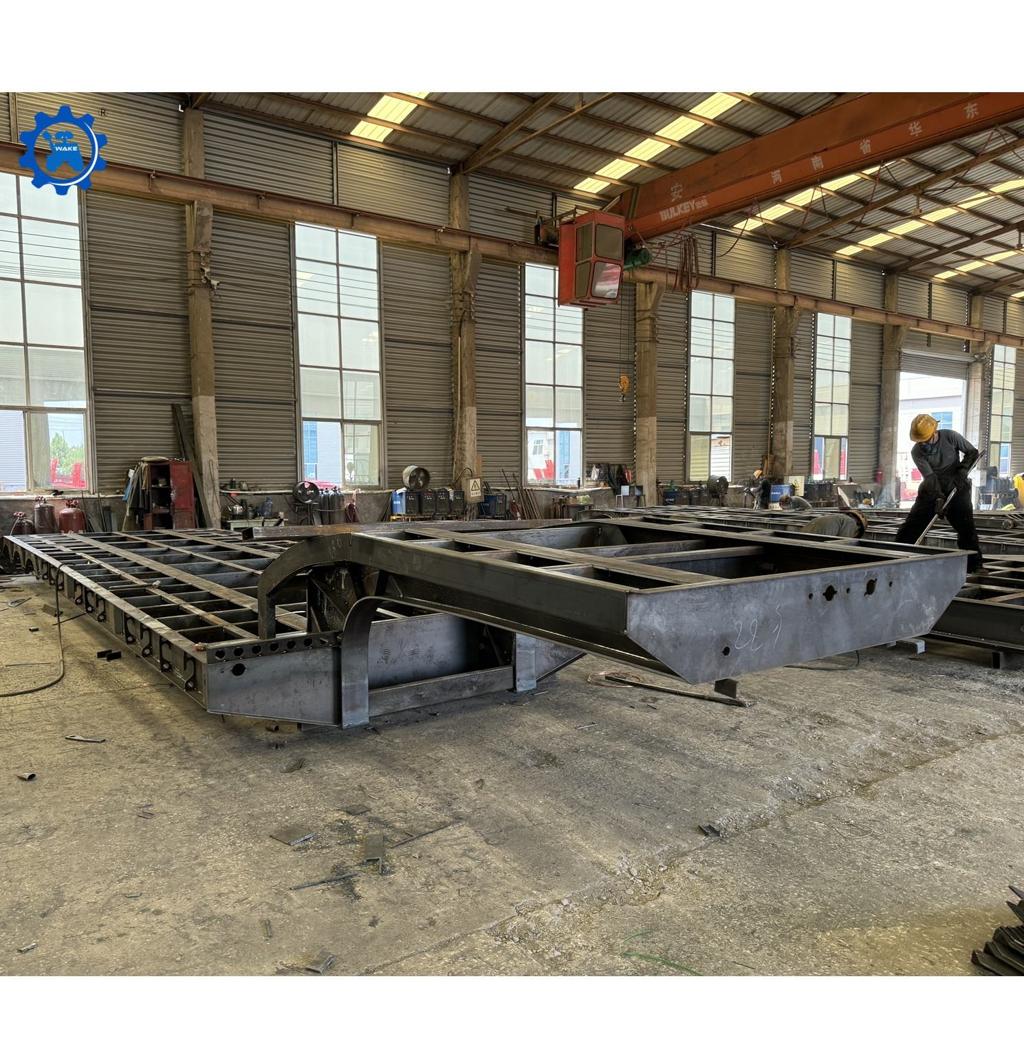
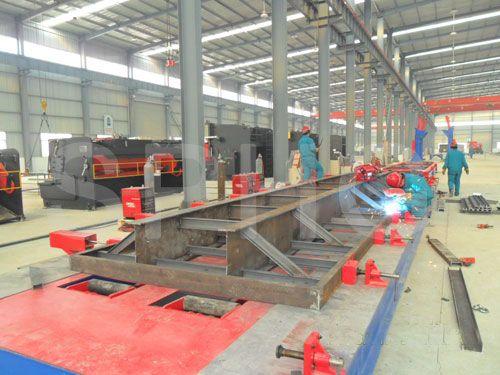
Whether choosing a lowbed or flatbed trailer, manufacturing quality directly affects service life.
Important factors include:
High-strength steel such as Q345 is commonly used for heavy-duty trailer frames.
Benefits:
Strong load-bearing ability
Better fatigue resistance
Longer service life
Important considerations:
Axle capacity
Suspension design
Tire load rating
Brake system
Professional manufacturers can customize both lowbed and flatbed trailers.
| Customization | Options |
|---|---|
| Length | Customized |
| Width | Customized |
| Axles | 2 / 3 / 4 / Multi Axle |
| Suspension | Mechanical / Air |
| Deck Design | Standard / Reinforced |
| Capacity | 30–100+ Tons |
| Color | Customer Choice |
| Logo | OEM Branding |
Hunan Chengxin Special Vehicle Co., Ltd specializes in manufacturing:
Lowbed Semi Trailer
Flatbed Semi Trailer
Container Trailer
Sidewall Trailer
Dump Semi Trailer
Tank Trailer
✔ Professional semi trailer factory
✔ OEM customization solutions
✔ Heavy-duty structural design
✔ Export experience
✔ Quality inspection system
✔ Competitive factory pricing
The company provides customized trailer solutions according to:
Cargo requirements
Country regulations
Road conditions
Customer applications
Before purchasing a trailer, confirm:
| Item | Flatbed Trailer | Lowbed Trailer |
|---|---|---|
| Cargo Type | General cargo | Heavy equipment |
| Cargo Weight | ✔ | ✔ |
| Cargo Height | Normal | Oversized |
| Axle Requirement | Standard | Heavy duty |
| Loading Method | Forklift/crane | Ramps |
| Road Conditions | Normal logistics | Construction/mining |
Neither is universally better. The correct choice depends on cargo type. Lowbed trailers are better for heavy machinery, while flatbed trailers are better for general cargo and containers.
Yes, but it depends on the excavator size, height, weight, and local regulations. For large construction machinery, a lowbed trailer is usually more suitable.
Some lowbed trailers can transport containers, but flatbed container trailers are generally more efficient for container logistics.
Flatbed trailers usually have lower purchase and maintenance costs because of their simpler structure.
The difference between a lowbed trailer and a flatbed trailer comes down to the type of cargo you need to transport.
A flatbed semi trailer is a flexible solution for containers, steel, and general freight.
A lowbed semi trailer is a specialized solution for heavy equipment, oversized machinery, and construction transportation.
Choosing the correct trailer according to your cargo, operating environment, and transportation requirements can improve efficiency and reduce long-term costs.
As an experienced semi trailer manufacturer, Hunan Chengxin Special Vehicle Co., Ltd provides customized lowbed and flatbed trailer solutions for customers worldwide.


